[항공사고 분석] 100톤의 치명적 오차: LATAM B777 밀라노 Tail Strike 사고의 전말
작성자: Blue Engineer | 카테고리: 항공사고분석 | 작성일: 2026. 02. 10.
"2024년 7월, 밀라노에서 발생한 LATAM B777 테일 스트라이크 사고 심층 분석. 기체 결함이 아닌 조종사의 데이터 입력 실수(Human Error)로 밝혀진 100톤의 무게 오차와 그로 인한 이륙 성능 저하 과정을 엔지니어링 관점에서 정리합니다."
안녕하세요, Blue Engineer 블로그입니다.
오늘은 2024년 7월 9일, 이탈리아 밀라노 말펜사 공항에서 발생한 LATAM 항공 B777-300ER(PT-MUG) 항공기의 테일 스트라이크(Tail Strike) 사고를 심층 분석합니다.
이 사고는 항공기 시스템의 결함이 아니라, 이륙 성능 계산 과정에서 발생한 '치명적인 데이터 입력 오류(Human Error)' 가 어떻게 최신형 항공기를 위험에 빠뜨릴 수 있는지 보여주는 교과서적인 사례입니다. ANSV(이탈리아 항공안전조사국)의 최종 보고서를 바탕으로 엔지니어링 및 운항 절차 관점에서 상세히 정리해 드립니다.
1. 사고 개요 (Incident Overview)
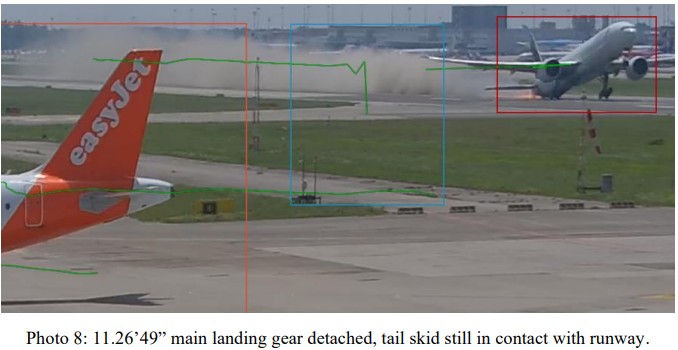
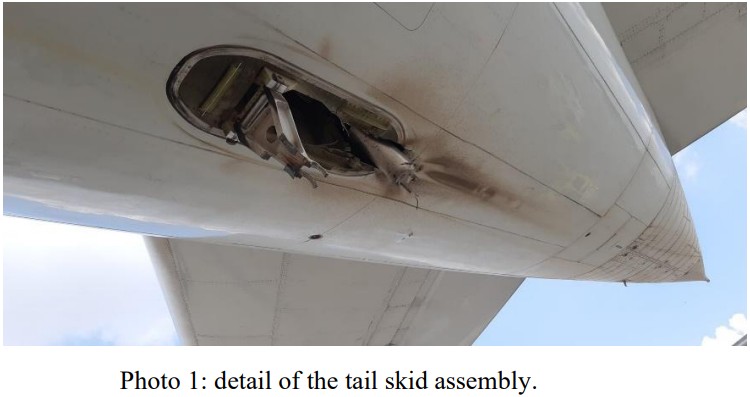
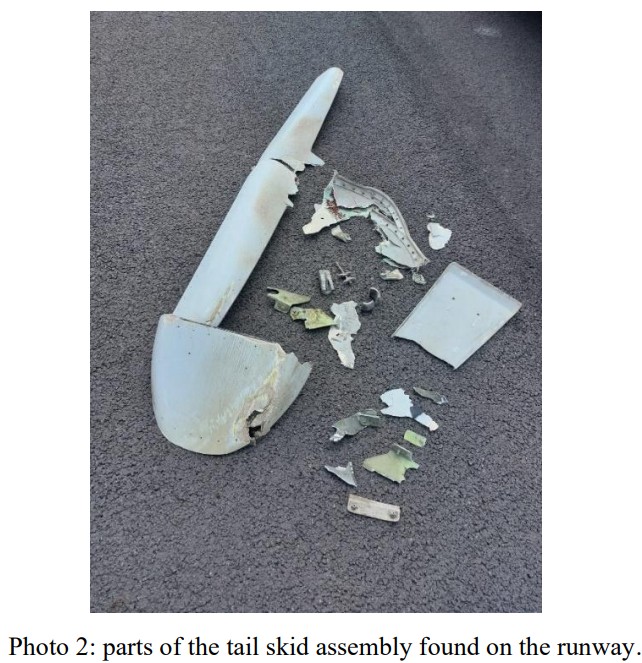
2024년 7월 9일, 밀라노 말펜사(MXP)를 이륙해 상파울루(GRU)로 향하던 LATAM LA8073편이 이륙 활주 중 꼬리 부분(Tail Skid)이 활주로에 긁히는 사고가 발생했습니다. 다행히 인명 피해는 없었으나, 항공기는 막대한 구조적 손상을 입었고 연료를 버린 후 회항했습니다.
| 항목 | 상세 내용 |
| 날짜/시간 | 2024년 7월 9일, 11:26 UTC |
| 장소 | 밀라노 말펜사 공항 (RWY 35L) |
| 항공기 | Boeing 777-300ER (등록부호: PT-MUG) |
| 탑승 인원 | 398명 (승객 및 승무원) |
| 피해 상황 | 테일 스키드(Tail Skid) 파손, 배수 마스트 손상, 활주로 표면 손상 |
| 사고 유형 | 이륙 중 테일 스트라이크 (Tail Strike during Take-off) |

2. 사고 발생 과정 (Sequence of Events)
사고의 원인은 이륙 훨씬 전, 조종실 내에서의 '데이터 입력' 단계에서 시작되었습니다.
2.1. 치명적인 100톤의 오차 (The 100-ton Error)
이륙 전 조종사들은 최종 로드시트(Final Loadsheet)를 받고 이륙 성능(속도 및 추력)을 계산해야 했습니다.
- 실제 중량: 최종 로드시트상의 이륙 중량(TOW)은 328,425 kg이었습니다.
- 입력 중량: 조종사들이 성능 계산 도구(OPT/EFB) 에 입력한 중량은 228,800 kg이었습니다.
- 결과: 실제보다 무려 약 100,000 kg(100톤) 가볍게 계산되었습니다.
왜 이런 일이 발생했나?
당시 교관 기장(LTC)은 표준 절차(각자 독립적으로 계산)를 따르지 않고, CDU(Control Display Unit)에 표시된 총중량(GR WT)에서 지상 활주 연료를 암산으로 뺀 뒤, 그 잘못된 숫자를 훈련 기장에게 구두로 불러주었습니다. 두 조종사 모두 이 잘못된 숫자(228.8톤)를 각자의 아이패드(EFB)에 입력했기 때문에, 크로스 체크(Cross-check)를 했음에도 오류를 발견하지 못했습니다.
2.2. 잘못된 이륙 성능 데이터 산출
100톤이나 가볍게 입력된 데이터로 인해, 시스템은 실제 필요한 것보다 훨씬 낮은 속도와 추력을 산출했습니다.
| 파라미터 | 잘못된 계산값 (사고 당시) | 실제 필요값 (정상 계산 시) | 차이 |
| 이륙 결심 속도 (V1) | 145 kt | 173 kt | -28 kt |
| 회전 속도 (VR) | 149 kt | 181 kt | -32 kt |
| 이륙 안전 속도 (V2) | 156 kt | 186 kt | -30 kt |
| 가정 온도 (Sel Temp) | 56°C (추력 낮음) | 38°C (추력 높음) | -18°C |
2.3. 무시된 경고: "V-SPEEDS UNAVAILABLE"
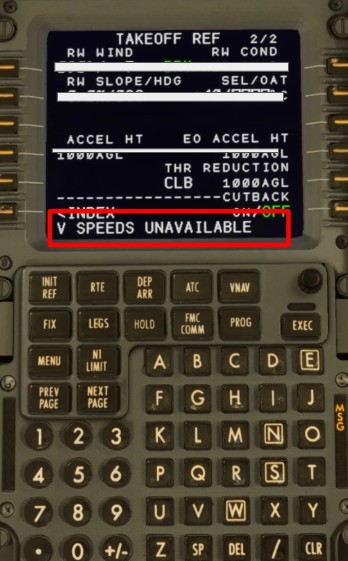
잘못된 데이터를 항공기 컴퓨터(FMS)에 입력하자, CDU 화면에는 "V-SPEEDS UNAVAILABLE" 이라는 메시지가 떴습니다.

- 의미: 입력된 추력과 무게로는 현재 활주로 조건에서 안전한 이륙 속도를 계산할 수 없다는 뜻입니다(FMC가 계산 불가).
- 대응: 조종사들은 이 메시지의 진정한 의미를 이해하지 못했습니다. 그들은 이를 시스템의 사소한 오류로 치부하고 넘어갔습니다.
2.4. 이륙 및 충돌 (The Tail Strike)
- 11:26:36: 항공기는 150 kt에서 기수를 들기 시작했습니다(Rotation). 하지만 실제 이 무게의 항공기가 뜨기에는 턱없이 부족한 속도였습니다.
- 11:26:42: 양력이 부족한 상태에서 기수만 들리자, 항공기 꼬리 부분(Tail Skid)이 활주로에 닿으며 긁히기 시작했습니다.
- 11:26:49: "뭔가 이상하다"는 것을 감지한 제3의 조종사(Cruise Captain)가 "TOGA!(최대 추력)" 를 외쳤고, 교관 기장이 이를 수행하며 항공기는 간신히 이륙에 성공했습니다.
- 이후 항공기는 72톤의 연료를 공중에서 투하(Fuel Dumping)하고 안전하게 회항했습니다.
3. 상세 원인 분석 (Root Cause Analysis)
3.1. 인적 요인 (Human Factors) & 절차 위반
가장 큰 원인은 **'독립적인 계산 절차의 위반'**입니다. 규정상 두 조종사는 각자 데이터를 확인하고 계산해야 했으나, 교관 기장이 값을 '불러주는(Dictation)' 방식을 취함으로써 오류가 전파되었습니다. 이는 조종실 내 위계질서(Authority Gradient)로 인해 훈련 기장이 교관의 잘못된 계산을 의심 없이 받아들이게 만든 환경도 한몫했습니다.
3.2. 시스템적 한계 (Technical Factors)
- FMC 경고의 모호성: "V-SPEEDS UNAVAILABLE" 메시지는 구체적으로 "무게 대비 추력이 부족함"을 직관적으로 알려주지 않았습니다.
- 방어 장치 부재: 항공기 시스템에는 입력된 무게(228톤)와 실제 항공기 중량(328톤)의 불일치를 감지하거나 경고하는 시스템(OBWBS 등)이 없었습니다.
3.3. 멘탈 모델의 오류
조종사들은 100톤이라는 거대한 차이를 인지하지 못했습니다. B777-300ER과 같은 대형 기종에서 228톤은 매우 가벼운 무게임에도, 이를 이상하게 여기지 않고 입력했다는 것은 당시 상황 인식이 결여되었음을 시사합니다.
4. 시사점 및 대책 (Conclusion & Recommendations)
이 사고는 단순한 계산 실수가 어떻게 대형 사고로 이어질 수 있는지 보여줍니다. ANSV 보고서는 다음과 같은 결론을 내렸습니다.
- 절차 준수의 중요성: 성능 계산은 반드시 조종사 각자가 독립적으로 수행하고, 그 결과를 비교해야 합니다. 구두로 숫자를 불러주는 행위는 크로스 체크의 기능을 무력화시킵니다.
- 기술적 보완: EASA(유럽항공안전청)는 미래의 항공기 설계에 이륙 성능 모니터링 시스템(TOPMS) 및 온보드 중량 균형 시스템(OBWBS) 탑재를 고려하고 있습니다.
- LATAM의 조치: 사고 후 LATAM은 B777 조종실에 제3의 iPad를 도입하여, 제3의 조종사가 성능 데이터를 독립적으로 검증하도록 절차를 강화했습니다.
Blue Engineer's Note:
엔지니어링 관점에서 볼 때, 이 사고는 'Human Error'를 시스템이 걸러내지 못했을 때의 위험성을 경고합니다. 소프트웨어적으로 "입력된 ZFW와 실제 센서로 감지된 하중의 불일치"를 경고하는 로직이나, 이륙 속도 미달 시 조종사에게 더 강력한 시청각 경고를 주는 기술적 발전이 필요해 보입니다.
참고 문헌:
- ANSV Final Report - Accident Boeing B777-300ER, PT-MUG, 9th July 2024.
- https://ansv.it/wp-content/uploads/2026/02/PT-MUG-english.pdf
이 포스팅은 항공 안전 증진과 엔지니어링 학습을 목적으로 작성되었습니다.
[Aviation Incident Analysis] A Critical 100-Ton Error: The Full Story of the LATAM B777 Milan Tail Strike
"In-depth analysis of the LATAM B777 tail strike incident in Milan, July 2024
From an engineering perspective, we examine the 100-ton weight discrepancy caused by pilot data entry error (Human Error) and the resulting degradation in takeoff performance."
Hello, this is the Blue Engineer blog.
Today, we provide an in-depth analysis of the LATAM Airlines B777-300ER (PT-MUG) Tail Strike incident that occurred at Milan Malpensa Airport on July 9, 2024.
This incident is a textbook example demonstrating how a 'critical data entry error (Human Error)', rather than a defect in the aircraft system, can endanger a state-of-the-art aircraft. Based on the final report from the ANSV (Italian National Agency for the Safety of Flight), we summarize the event from engineering and operational procedure perspectives.
1. Incident Overview
On July 9, 2024, LATAM flight LA8073, departing from Milan Malpensa (MXP) for São Paulo (GRU), suffered a tail strike where the tail skid scraped the runway during its takeoff roll. Fortunately, there were no injuries, but the aircraft sustained significant structural damage and returned after dumping fuel.
| Item | Details |
| Date/Time | July 9, 2024, 11:26 UTC |
| Location | Milan Malpensa Airport (RWY 35L) |
| Aircraft | Boeing 777-300ER (Registration: PT-MUG) |
| Occupants | 398 (Passengers and Crew) |
| Damage | Broken tail skid assembly, damaged drain mast, runway surface damage |
| Type | Tail Strike during Take-off |
2. Sequence of Events
The root cause of the accident began long before takeoff, during the 'data entry' phase inside the cockpit.
2.1. The Critical 100-ton Error
Before takeoff, the pilots were required to receive the Final Loadsheet and calculate takeoff performance (speeds and thrust).
- Actual Weight: The Take-Off Weight (TOW) on the Final Loadsheet was 328,425 kg.
- Input Weight: The weight entered by the pilots into the performance calculation tool (OPT/EFB) was 228,800 kg.
- Result: A miscalculation of approximately 100,000 kg (100 tons) lighter than actual.
Why did this happen?
At the time, the Line Training Captain (LTC) did not follow standard procedures (independent calculation by each pilot). Instead, he mentally subtracted the taxi fuel from the Gross Weight (GR WT) displayed on the CDU (Control Display Unit) and verbally dictated the incorrect number to the trainee captain. Since both pilots entered this wrong number (228.8 tons) into their respective iPads (EFB), the error was not detected even after a cross-check.
2.2. Erroneous Take-off Performance Data
Due to the data input being 100 tons lighter, the system calculated speeds and thrust far lower than what was actually required.
| Parameter | Erroneous Calculation (At Incident) | Actual Required (Correct Calculation) | Difference |
| Decision Speed (V1) | 145 kt | 173 kt | -28 kt |
| Rotation Speed (VR) | 149 kt | 181 kt | -32 kt |
| Take-off Safety Speed (V2) | 156 kt | 186 kt | -30 kt |
| Assumed Temp (Sel Temp) | 56°C (Lower Thrust) | 38°C (Higher Thrust) | -18°C |
2.3. Ignored Warning: "V-SPEEDS UNAVAILABLE"
When the incorrect data was entered into the aircraft computer (FMS), the message "V-SPEEDS UNAVAILABLE" appeared on the CDU screen.
- Meaning: The FMC cannot calculate safe takeoff speeds for the current runway conditions with the entered thrust and weight.
- Response: The pilots did not understand the true meaning of this message. They dismissed it as a minor system glitch and proceeded.
2.4. The Tail Strike
- 11:26:36: The aircraft began rotation at 150 kt. However, this speed was far too low for an aircraft of this actual weight to lift off.
- 11:26:42: As the nose lifted without sufficient lift, the aircraft's tail skid contacted and scraped the runway.
- 11:26:49: Sensing something was wrong ("It's not climbing"), the third pilot (Cruise Captain) shouted "TOGA! (Take-off/Go-around thrust)." The LTC executed this, and the aircraft barely managed to take off.
- Subsequently, the aircraft dumped 72 tons of fuel in the air and returned safely.
3. Root Cause Analysis
3.1. Human Factors & Procedural Violation
The primary cause was the violation of independent calculation procedures. Regulations required both pilots to verify and calculate data separately, but the error propagated because the LTC adopted a method of 'dictating' the values. The cockpit authority gradient likely contributed to an environment where the trainee captain accepted the instructor's incorrect calculation without question.
3.2. Systemic Limitations (Technical Factors)
- Ambiguity of FMC Warnings: The "V-SPEEDS UNAVAILABLE" message did not intuitively indicate "insufficient thrust for weight."
- Lack of Defense Mechanisms: The aircraft system lacked a mechanism (such as an On-Board Weight and Balance System - OBWBS) to detect or warn of the discrepancy between the entered weight (228 tons) and the actual aircraft weight (328 tons).
3.3. Flawed Mental Model
The pilots failed to perceive the massive discrepancy of 100 tons. The fact that they entered 228 tons—a very light weight for a large aircraft like the B777-300ER—without suspicion suggests a lack of situational awareness at the time.
4. Conclusion & Recommendations
This accident illustrates how a simple calculation error can lead to a major accident. The ANSV report concluded with the following points:
- Importance of Adherence to Procedures: Performance calculations must be performed independently by each pilot, and the results must be compared. The act of verbally dictating numbers neutralizes the function of a cross-check.
- Technical Improvements: EASA (European Union Aviation Safety Agency) is considering the implementation of Take-Off Performance Monitoring Systems (TOPMS) and On-Board Weight and Balance Systems (OBWBS) for future aircraft designs.
- LATAM's Action: Following the accident, LATAM introduced a third iPad in the B777 cockpit, reinforcing procedures for the third pilot to independently verify performance data.
Blue Engineer's Note:
From an engineering perspective, this accident warns of the dangers when a system fails to filter out 'Human Error.' There is a need for technological advancements, such as software logic that warns of discrepancies between entered ZFW and sensor-detected loads, or stronger audio-visual warnings for pilots when takeoff speeds are insufficient.
References:
- ANSV Final Report - Accident Boeing B777-300ER, PT-MUG, 9th July 2024.
This post is written for the purpose of promoting aviation safety and engineering learning.
'항공 사고 분석' 카테고리의 다른 글
| [항공사고 분석] 영국 항공 A350 바퀴 이탈 사고 분석: 왜 하늘에서 바퀴가 빠졌을까? (엔지니어링 리포트) (0) | 2026.02.10 |
|---|